Climate-Related Subsidence and Ground Stability: What Conveyancers Need to Know


%20magenta.svg)

When acting on behalf of a client, conveyancers have a wide range of risks to identify, understand and mitigate before a property transaction can progress with confidence.
From flooding and contaminated land to ground stability, the environmental factors that influence a property’s long-term suitability are becoming increasingly important as the effects of climate change continue to reshape the risks facing homes across the UK. Recent reporting from The Guardian has highlighted the growing threat of climate-related subsidence, with hotter, drier summers increasing the likelihood of shrink-swell movement in vulnerable ground conditions. For conveyancing professionals, it is a timely reminder that ground stability is not just a technical consideration; it can affect property value, mortgageability, future repair costs and client confidence. As a leading conveyancing search provider, Geodesys helps legal professionals access the insight they need to assess these risks early, support informed advice and keep transactions moving.
Analysis conducted by the British Geological Survey (BGS) has identified millions of homes now at risk from climate-related subsidence. The most vulnerable areas include London, Essex, Kent and a tranche of land from Oxford up to the Wash on England’s east coast, according to scientists, who say mitigation measures will be needed. With Geodesys being a leading conveyancing search provider across the east of England and Kent, we understand the growing importance of identifying ground stability risks early in the transaction process.
What is subsidence and how does it affect the conveyancing industry?
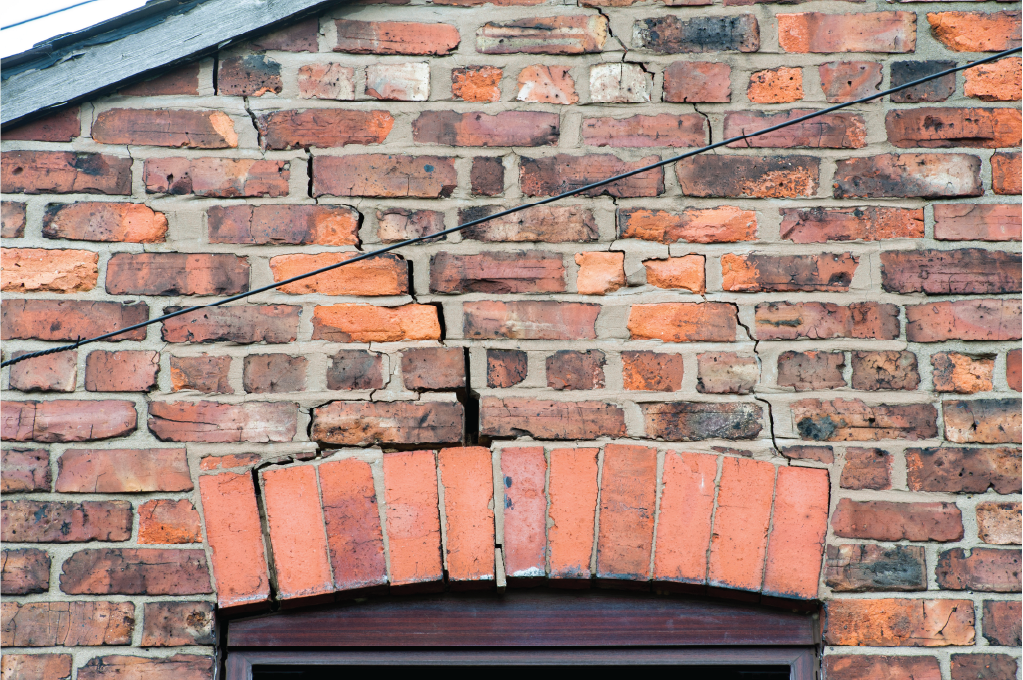
Simply put, subsidence occurs when the soil beneath a property sinks. This can cause the foundations of a property to become unbalanced, moving the walls and floors of the house and leading to cracks. If left unchecked, subsidence can leave your home unstable and dangerous.
If a property is identified to have subsidence this can significantly reduce a property’s value and lenders will often refuse to offer mortgages until it has been resolved. Remedial works may include land stabilisation measures or property underpinning, together with the replacement of utility infrastructure and the removal of trees and vegetation where required.
How does climate change increase the risk of subsidence?
Climate change increases subsidence risk primarily by causing extreme soil moisture fluctuations. Hotter, drier summers dry out clay-rich soils, causing them to shrink and contract, while warmer, wetter winters cause them to swell. This cyclical shrinking and swelling shifts foundations, leading to property damage.
What do you need to do as a conveyancer acting in these areas?
With the UK experiencing its warmest spring on record in 2025, alongside the driest spring for more than 50 years, the risk of subsidence is becoming harder for conveyancers to overlook. The impact is already being felt, with subsidence-related insurance claims reaching £153 million in the first six months of the same year. For conveyancers acting in areas with known ground stability concerns, this reinforces the need to identify potential risks early, interpret search results carefully and ensure clients understand how ground conditions could affect the property they are purchasing.
Understanding climate risk has become an essential part of property due diligence. Ensuring your environmental search includes climate change data is more important than ever, giving you access to clear, reliable insights that help you advise clients with confidence. By identifying potential risks and supporting informed decisions, you can better navigate emerging challenges, including the growing impact of climate-related ground movement on property and land.
Through our ordering platform, we offer a range of Groundsure and Landmark reports that include climate change risk assessment as standard, helping you identify potential environmental risks that could affect a property now and in the future.
Our expert team is here to support your climate risk due diligence, providing access to trusted environmental reports that help you make informed decisions with confidence. Whether you're dealing with residential or commercial properties, our comprehensive search services deliver valuable insights into climate-related risks such as flooding, coastal erosion, ground stability, and extreme weather exposure.
So, why use Geodesys?
- Comprehensive Climate Risk Reports: Access a range of trusted environmental searches from leading providers, tailored to your transaction requirements.
- Expert Support: Our experienced team can help you select the most appropriate climate risk report for your property or development.
- Intuitive Mapping Tool: Easily map properties and land parcels of any size to ensure accurate report ordering and assessment.
As climate-related risks continue to influence property transactions, ground stability is becoming an increasingly important part of conveyancing due diligence. For conveyancers acting in higher-risk areas, early access to clear, reliable environmental data can make a real difference in helping clients understand potential issues before they become obstacles later in the process. With trusted reports, intuitive ordering tools and expert support, Geodesys is here to help you identify ground stability and wider climate-related risks with confidence, so you can provide clear advice, support informed decisions and keep transactions moving. If you would like support choosing the right environmental searches, or would benefit from a review of your current search pack, get in touch with the Geodesys team today.
For further information, please contact our customer services team or speak to your account manager.