How climate-related heat stress is changing property searches in the UK


%20magenta.svg)

The idea of hopping on a plane, train or ferry to escape a rainy British summer is slowly becoming a thing of the past.
Why climate change risks should be a part of every property search.
Making the most of summer in our own homes, gardens and parks may still feel like a luxury. However, as temperatures rise, many of us may soon find ourselves wishing for cooler, rainier summer days.
The University of East London reported that the number of UK households experiencing summer overheating rose from 18% in 2011 to 80% in 2022. Heatwaves and record-breaking temperatures are hitting the UK harder and earlier each year, with drier, hotter summers affecting not only the environment but also our infrastructure. The Met Office recently reported that periods of warm weather have doubled in length over the last 30 years, with all ten of the warmest years occurring since 2002. This warmer weather is clearly here to stay, so whether it’s a commercial or residential transaction, property searches need to adapt to this changing climate.
Here at Geodesys, we pride ourselves on being a leading conveyancing search provider across the east of England. To help conveyancing professionals better understand emerging climate related risk, in this article we’ve explored how heat stress is changing the risk landscape and what this could mean for property searches.
What is heat stress and how can it affect properties?
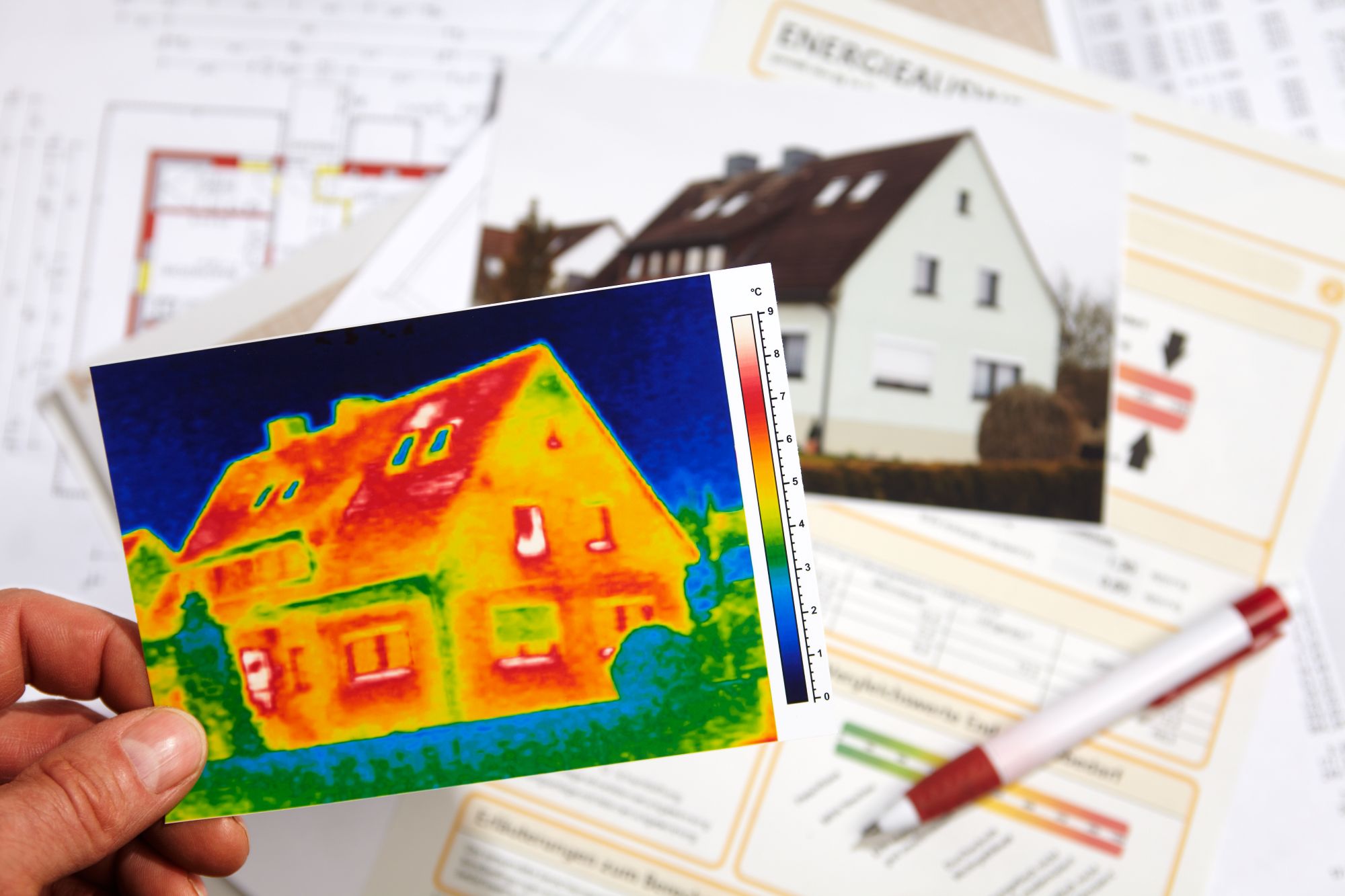
Heat stress is the physical, structural and operational strain caused by prolonged exposure to high temperatures. Due to climate change, it is becoming an increasing climate hazard, especially in built-up urban areas where heat affects building performance and, in turn, property value.
A building’s design can significantly influence how well it retains or dispels heat. Many UK residential properties were built with cold and wet weather in mind, which means they are often effective at trapping the heat in. If a property is part of a terrace or block of flats, neighbouring heating sytems and shared walls can also contribute to retained warmth. Even without central heating, a terraced or semi-detached house will stay hotter throughout summer than a detached property because of the way it is built.
The materials themselves matter too. Brick, stone and concrete are all commonly used building materials, and will absorb and retain heat. Many buildings are also fitted with double-glazed windows, which are designed to reduce heat loss during colder months, but further contribute to heat retention in the summer months.
For commercial properties, working conditions should also be considered. Although there is currently no legal maximum working temperature, the government and Health and Safety Executive state that workplace temperatures must be kept “reasonable”. As heatwaves become more common, overheating could affect employee wellbeing and the suitability of commercial buildings for certain uses.
If our buildings are made to insulate, why is heat stress such a concern?
Heat stress can make living and working conditions uncomfortable, but prolonged exposure to high temperatures can also damage machinery, cause discolouration to buildings and in some cases, affect the foundations.
Building materials expand in the heat and shrink in the cold, through a process known as thermal movement. As extreme heat swings become more common, this movement can cause walls to crack, surfaces to deteriorate quicker, and roofs to weaken through warping. Over time, this can lead to uneven flooring, sticking doors and wider interior damage, reducing both building efficiency and value. In addition, cracks and roof damage can increase the likelihood of leaks and damp or mould forming, which can further exacerbate risks to a property.
In areas with clay-rich soils, hot and dry conditions can cause the ground to shrink and crack. This can increase the risk of subsidence, which may lead to other issues such as damage to guttering and underground pipes. You can read more about this in our recent article here exploring climate-related subsidence.
So, what is the solution?
As ever with conveyancing, there is no one-size-fits-all solution, but you can provide your clients with as much detail as possible. Insulation is only part of the picture. Many homes and buildings are designed primarily for winter performance and lack features to manage summer heat. Risk often increases when several factors are present at once, including:
· Ventilation rates
· Large windows or extensive areas of glazing
· Limited external shading from trees or neighbouring structures
· Poorly designed insulation, especially around pipes
· Heat-retaining materials
· Windows being kept closed because of noise, pollution, security, pets or safety concerns reducing natural ventilation
· Building orientation, particularly south-facing buildings that are exposed to direct sun for the longest period of the day
Understanding the impact of heat stress as part of climate change risk is becoming an increasingly important part of property due diligence. Ensuring your environmental searches include climate change data should now be a priority, helping your clients make informed decisions using clear insight and trusted data. Support your clients by identifying potential risks early and navigating transactions with greater confidence.
The Geodesys ordering platform offers a range of environmental and climate change-specific reports for both commercial and residential transactions provided by environmental report specialists such as Groundsure and Landmark. Not sure which reports you need? Geodesys is always here to help you identify the best report for your transaction. Make expert and informed decisions from data you can trust. If you have any questions, our friendly customer service team are always happy to help. Get in touch today for extra support.
For further information, please contact our customer services team or speak to your account manager.