PFAS: why 'forever chemicals' are making headlines in property and environmental risk


%20magenta.svg)

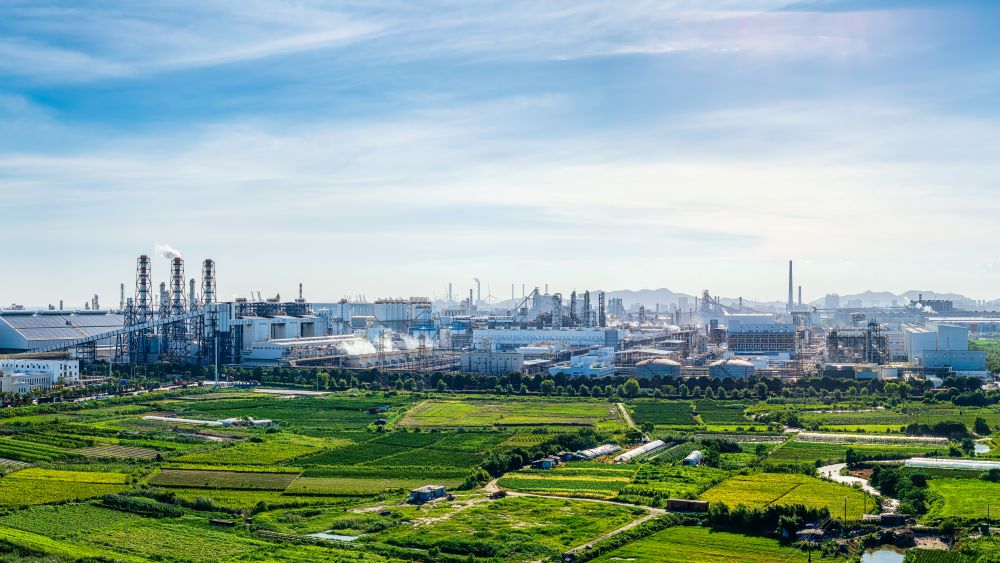
Widespread chemicals that have been used in everyday products for decades.
From non-stick cookware, waterproof clothing and cosmetics to firefighting foams, food packaging and cleaning products. Yet these so-called ‘forever chemicals’ are now becoming one of the most talked-about emerging environmental risks. This article explores why regulators, environmental professionals and property stakeholders are paying closer attention to PFAS.
What are they and why are they considered ‘forever chemicals’?
Per- and polyfluoroalkyl substances (PFAS) are a family of synthetic compounds made up of carbon atoms linked together and bonded to fluorine, an extremely reactive element. First created in 1934, widespread use began in 1938 with the invention of Teflon. These chemicals became widely used in households and commercially throughout the 1940s and 1950s.
There are two main types of PFAS: perfluoroalkyls and polyfluoroalkyls. The first kind is perfluoroalkyls; they are molecules with fully saturated fluorine (every carbon atom has fluorine attached to it). Meanwhile, polyfluoroalkyl molecules are only partially saturated. Both types form some of the strongest chemical bonds known, making them hard to break apart. Their resilience is what makes them both very useful and a problem.
Due to their chemical structure, these compounds are highly resistant to heat, water, oil and degradation. They have been found throughout the environment, in wildlife and in human bodies, earning the term ‘forever chemicals’.
Where can PFAS be found?
One of the challenges with PFAS is that they may be linked to a broad range of historical land uses, making them difficult to identify through assumptions alone. Unlike mining subsidence or coastal erosion, PFAS use isn’t linked to a region or geographical area. It also isn’t a visible issue, contributing to one of the difficulties of dealing with these forever chemicals.
Some examples of locations where PFAS have been found in higher concentrations include:
● Former industrial sites manufacturing textiles and leather, paint, ink, automotive products, packaging, paper, plastics and more.
● Airports and military facilities.
● Firefighting foam plants and training grounds.
● Landfills, sewerage and waste management sites including incinerators.
● Chemical technology labs.
PFAS have been associated with such a wide range of land uses that it is not possible to assess risk based on location alone.
How did PFAS become such a big issue?
PFAS are not a new problem. What's changed is ourunderstanding of where they exist, how long they persist and the potentialchallenges associated with managing contamination. Growing public awareness,from corporate cover-ups to advanced testing methods and new legislation over the last 12 to 18 months, has brought PFAS into the spotlight.
Not only are they persistent chemicals in the outside environment, but they are also found inside most living organisms, including us. Increasing scientific research has linked PFAS exposure to a range of health concerns, including various cancer types, impaired immune systems, reduced vaccine effectiveness and hormonal disruption causing fertility and development issues. They are also classed as Persistent Organic Pollutants (POPs). These are substances toxic to humans and wildlife that accumulate in our bodies over time due to their lack of degradation.
There are, however, encouraging signs of progress, with the UK government, following suit with many others, announcing earlier this year that improved testing and monitoring of sediment and invertebrates will provide regulators with a clear picture of PFAS risk within our environment. Improving detection methods is a key step in quantifying the severity of contamination and pollutant levels. With the world now paying attention to these chemicals, there is real hope that with proper investigations and reports, we can begin to decontaminate our land and waterways.
We expect that it will soon become standard practice to include PFAS levels within commercial environmental reports. Helping clients avoid unknowingly purchasing contaminated land and the associated financial, operational and health risks.
Why PFAS matter for property transactions
As we have already covered, there are a multitude of industries and locations that previously produced or used PFAS-containing products within the UK but also globally. Evolving regulations are increasing scrutiny around the use and management of PFAS-containing substances. Some designated compounds, such as perfluorooctane sulfonate (PFOS) which was commonly used for fighting liquid fuel fires, are now prohibited from manufacture, sale and use entirely.
PFAS contamination can present potential health risks forsite workers and, if identified late in the development process, may lead toproject delays and significant remediation costs.
Carrying out detailed and accurate environmental due diligence is important for any property transaction. With PFAS being such an impactful and pertinent issue, it is as important as ever to ensure you’re choosing environmental searches that give you the whole picture of a site.
Catherine Shiers, Customer Engagement Director at Groundsure said:
“As PFAS contamination risk sites continue to beidentified across the UK, we’ve seen growing interest on the topic of PFAS overthe past 12-18 months. In particular, there has been increasing demand fromlegal professionals to better understand the potential risks it presents.Several law firms have requested dedicated PFAS training from us, and wecontinue to work closely with industry colleagues and peers to stay informedwith latest developments and regulatory guidance. As market development unfolds,we continue to refine our risk profiles and update our risk guidance to helpcustomers stay informed.”
Don’t hold off and wait to discover a contamination riskwhen it's too late. Invest in the reports early and reduce concern for yourclients later down the line.
Why environmental risk assessment is changing
PFAS may be an emerging topic for many property professionals, but they are quickly becoming an important part of the environmental risk conversation. As understanding, regulation and reporting continue to evolve, staying informed will be key. Public awareness is also likely to generate more client enquiries and increase demand for environmental intelligence that considers PFAS-related risks.
To address this issue, we have partnered with Groundsure to provide you with a clear understanding of PFAS-related liability and to explore the topic in more detail in this brand new webinar.
Join us and Groundsure on 7th October at 11:00am in a free upcoming webinar: Commercial Property Environmental Update: Forever Chemicals - The Emergence of PFAS. We will discuss the origins of PFAS, their environmental implications and how these risks are being reflected in environmental searches and reporting.
Register here today to gain practical insight into how PFAS is influencing commercial environmental reporting and due diligence.
If you have any questions about any of our events, get in touch here.
For further information, please contact our customer services team or speak to your account manager.